
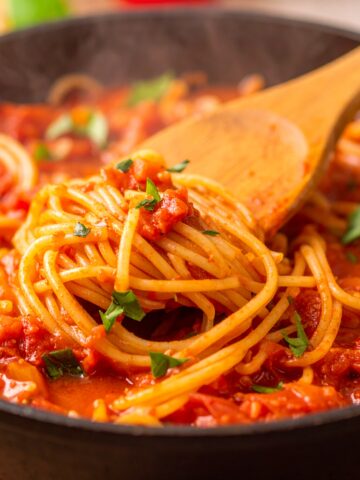
Batch Cooking
Batch cooking, also known as meal prepping, is the practice of preparing large quantities of food at once to save time and effort during the week. It is a great way to eat healthy, avoid last-minute takeout, and reduce food waste. Whether you are a busy professional, a parent, or simply someone who loves having homemade meals ready to go, batch cooking can transform your kitchen routine.
By dedicating a couple of hours on the weekend to cook staples like grains, proteins, and sauces, you can assemble quick meals throughout the week. Batch cooking also helps with portion control and makes it easier to stick to dietary goals. The key is choosing recipes that reheat well and store properly.
Below you will find a collection of recipes that are perfect for batch cooking – from hearty stews and sauces to make-ahead sandwiches and freezer-friendly dinners. Each recipe can easily be doubled or tripled, and many store beautifully in the refrigerator or freezer for quick meals later.

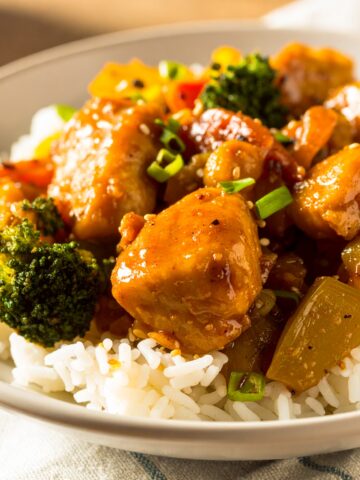
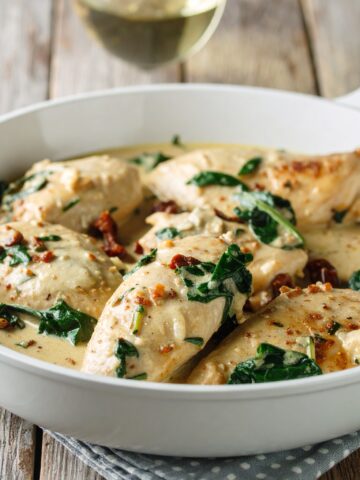
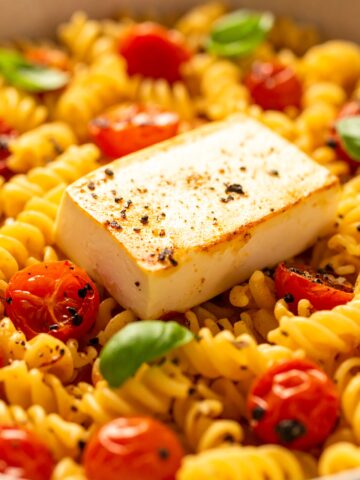
Batch Cooking Tips
- Plan ahead. Choose recipes that use overlapping ingredients to save money and reduce waste.
- Invest in good storage containers. Glass containers with tight lids keep food fresh and are microwave-safe for reheating.
- Label and date everything. A marker and masking tape help you track what is in the freezer and when it was made.
- Cook grains and proteins in bulk. Rice, quinoa, grilled chicken, and roasted vegetables are versatile bases for many meals.
- Freeze in individual portions. Soups, stews, and sauces freeze beautifully in single-serving containers for quick lunches or dinners.
Frequently Asked Questions About Batch Cooking
What foods are best for batch cooking?
Soups, stews, casseroles, sauces, cooked grains, roasted vegetables, and marinated proteins all work well. Dishes that freeze and reheat well are ideal – anything with a high moisture content tends to hold up better.
How long can I store batch-cooked meals?
Most cooked meals can be safely refrigerated for 3–4 days. For longer storage, freeze them in airtight containers; they will maintain best quality for up to 3 months. Always label containers with the date.
Can I batch cook if I have limited kitchen space?
Absolutely. Start small: cook extra portions of one or two meals per week. Use stackable containers to maximize freezer storage. Even a small effort can reduce cooking time during the week.
How do I reheat batch-cooked meals without losing quality?
Reheat in the oven, stovetop, or microwave. Add a splash of water or broth to dishes that have thickened in the fridge. For crispy items like breaded chicken, reheat in an air fryer or oven to restore texture.
Explore More
Looking for more ways to make cooking easier? Check out these sections: